Blog 2
Since our country the Philippines is situated in the Pacific
Ring of Fire, it is prone to typhoons, volcanic eruptions, rising sea levels,
and other natural calamities, this makes us one of the country’s most
vulnerable to climate change, and the effects are severe and prominent to
numerous areas of the Filipino Society which has profoundly altered the lives
of us Filipinos. With rising sea levels, entire coastal communities face the
threat of displacement, leading to loss of livelihood and heritage.
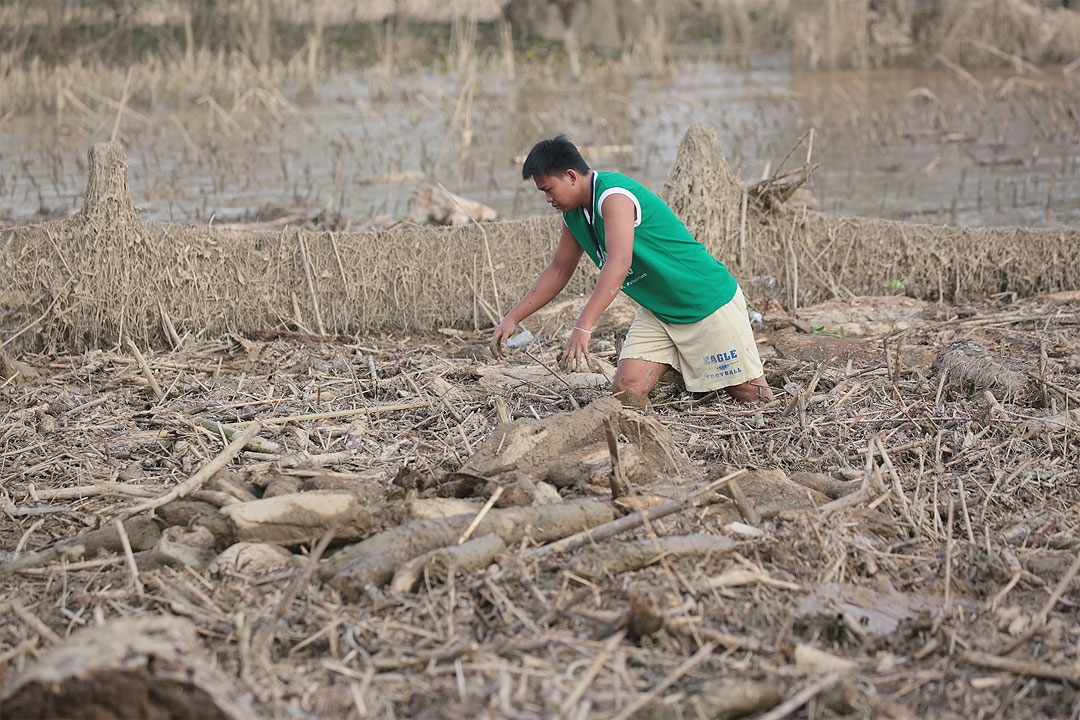
Typhoon frequency and severity increases are among the most
noticeable and direct effects of climate change in the Philippines. Seasonal
events are becoming more unpredictable and destructive due to changing climatic
patterns. Twenty typhoons hit the Philippines year on average, and during the
last few decades, the storms' intensity has grown. These disasters impact
millions of Filipinos, especially those living in rural regions, and cause
extensive damage, including landslides and flooding. Both the local communities
and the national economy are disrupted by the direct effects on lives,
agriculture, and infrastructure. Rising sea levels also pose a hazard to
coastal communities, as they have the potential to uproot entire populations
and destroy sea-dependent livelihoods.
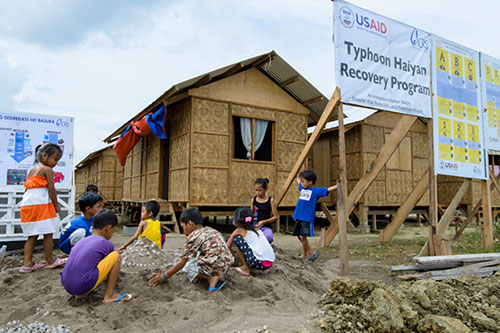
But despite these challenges, Filipinos have consistently demonstrated their resilience. Through creative strategies like reforestation, sustainable agriculture, and disaster preparedness plans, communities have adjusted. Together with local efforts, government programs have given disadvantaged areas the ability to reduce risks. Local inventions that help solve climate change, such as flood-resistant crops and floating homes, highlight the Filipino spirit of creativity and adaptation.


You should taking care of our environment.
ReplyDelete